Back to top arrow

Air New Zealand Aircraft Maintenance Hangar 4

Client

Air New Zealand

Architect

Studio Pacific Architecture

Location

Auckland Airport, New Zealand

Head contractor

NZ Strong

Structural engineer

Dunning Thornton

Building methodology

Hybrid:
CLT, LVL,
Concrete, Steel


A world-first in mass timber engineering and collaboration.

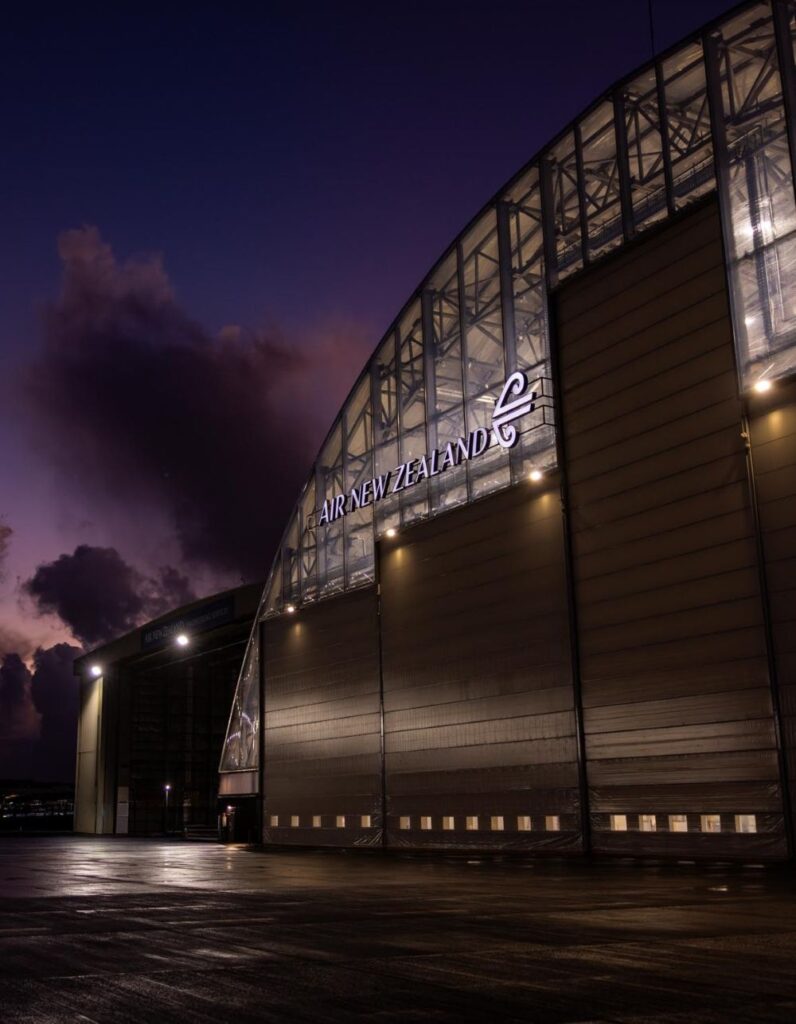
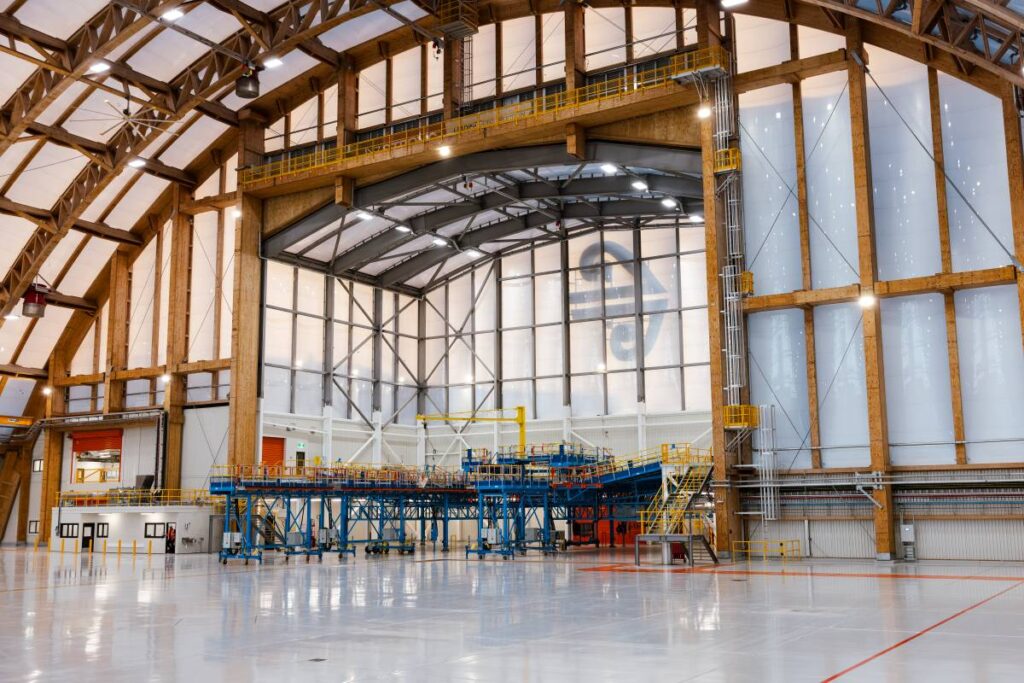
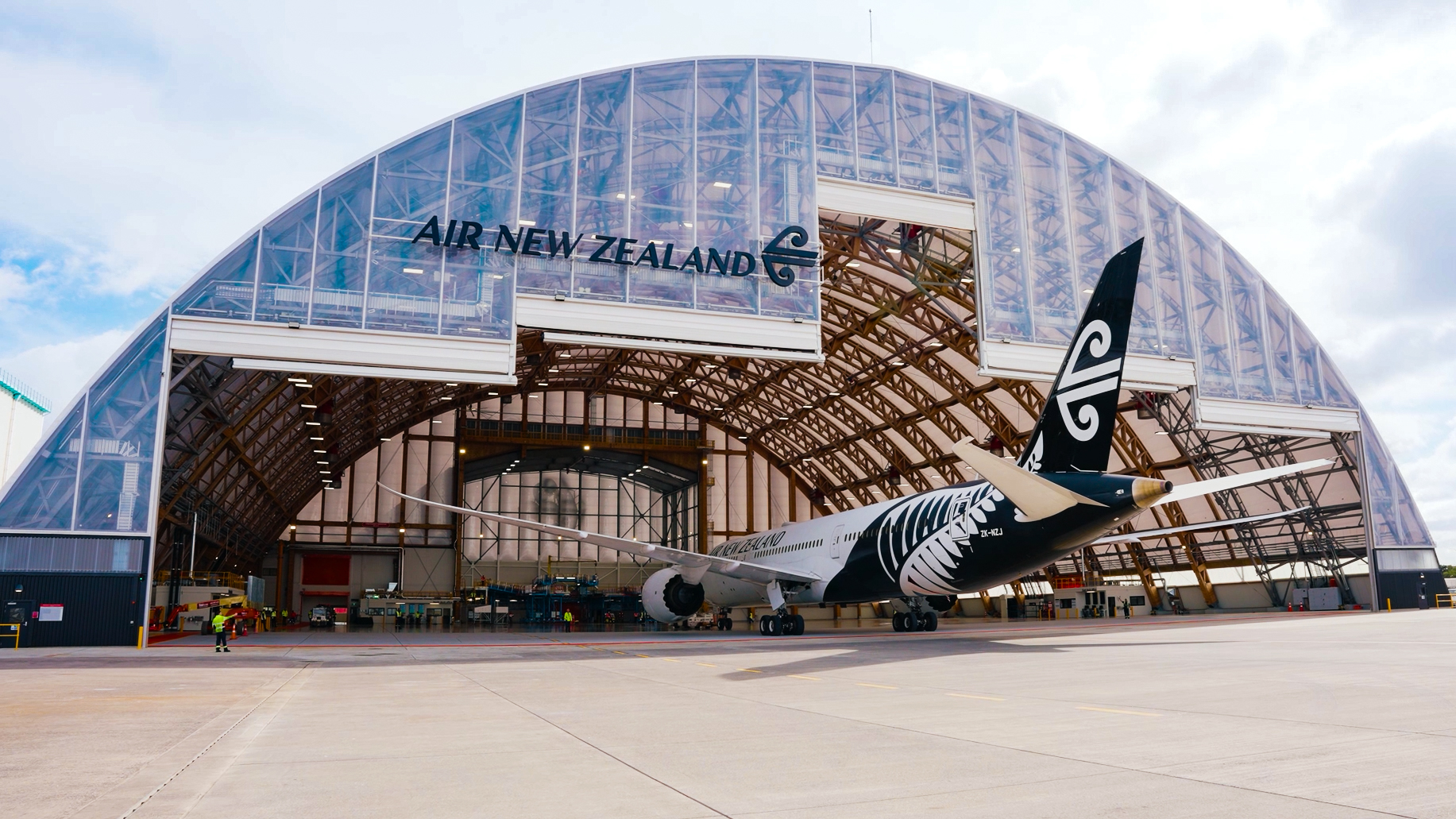
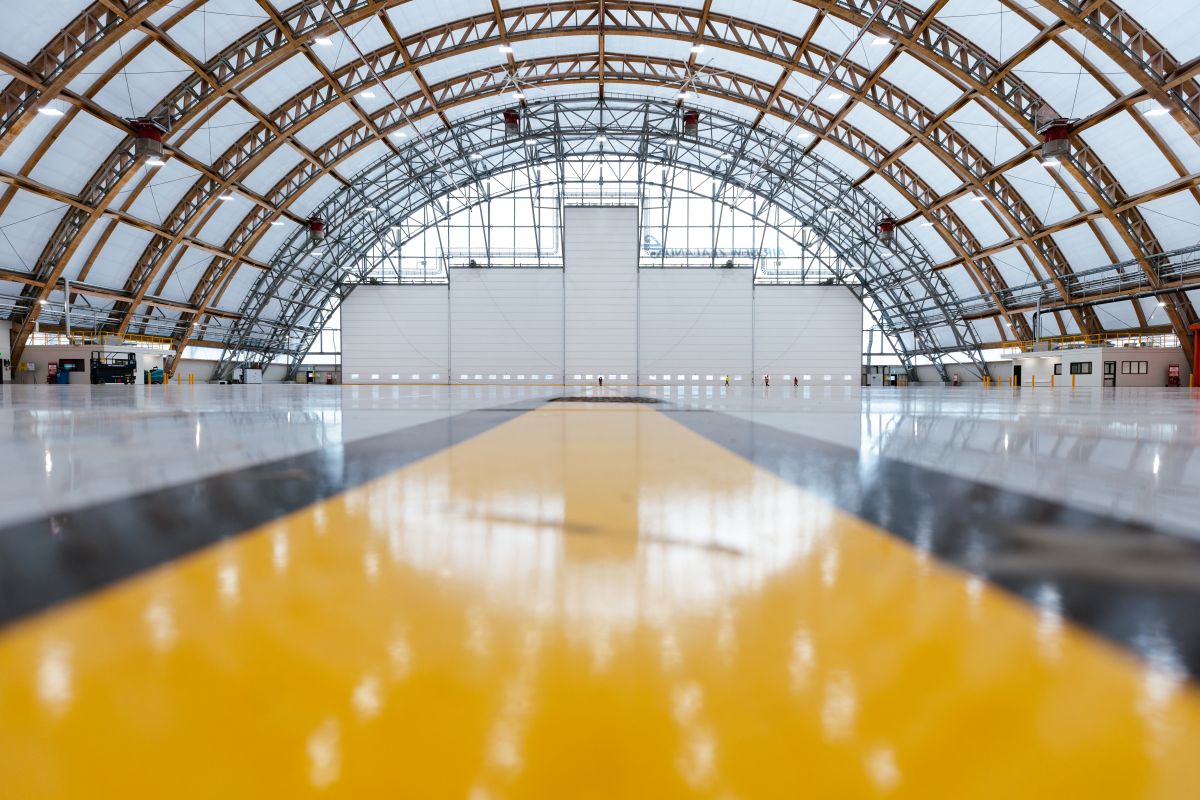
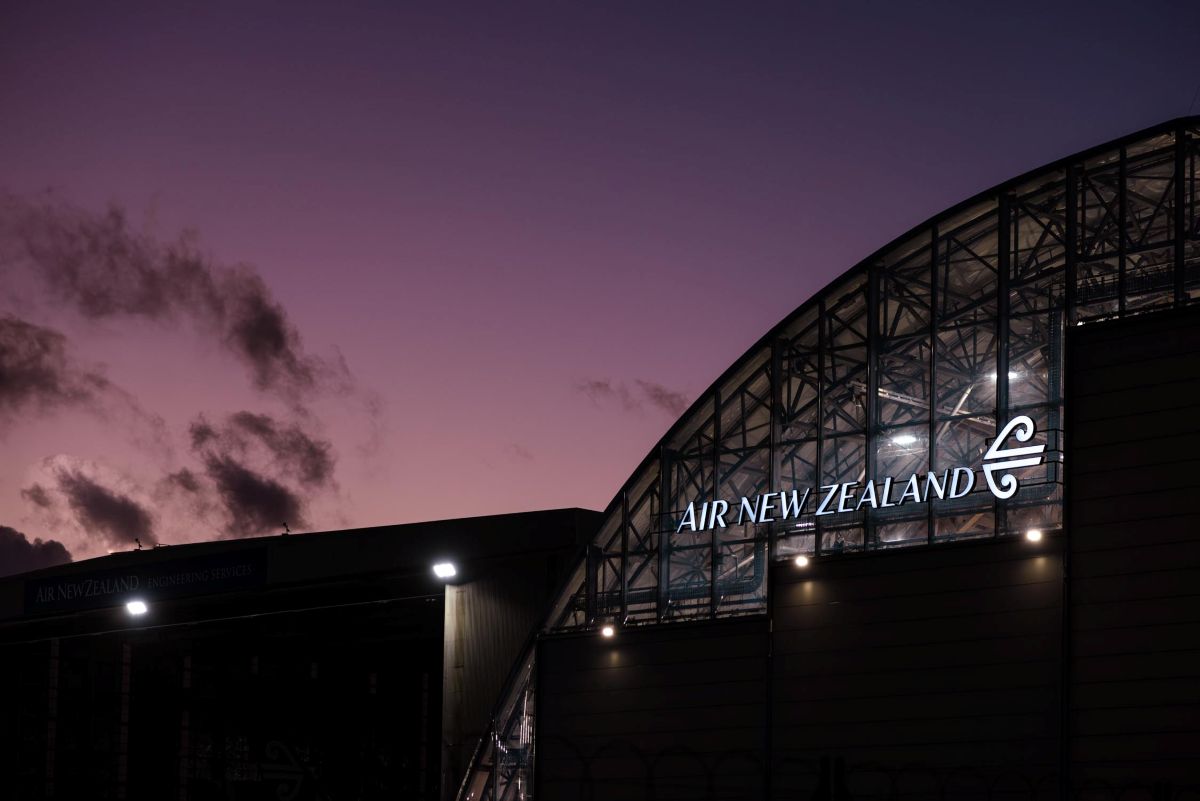
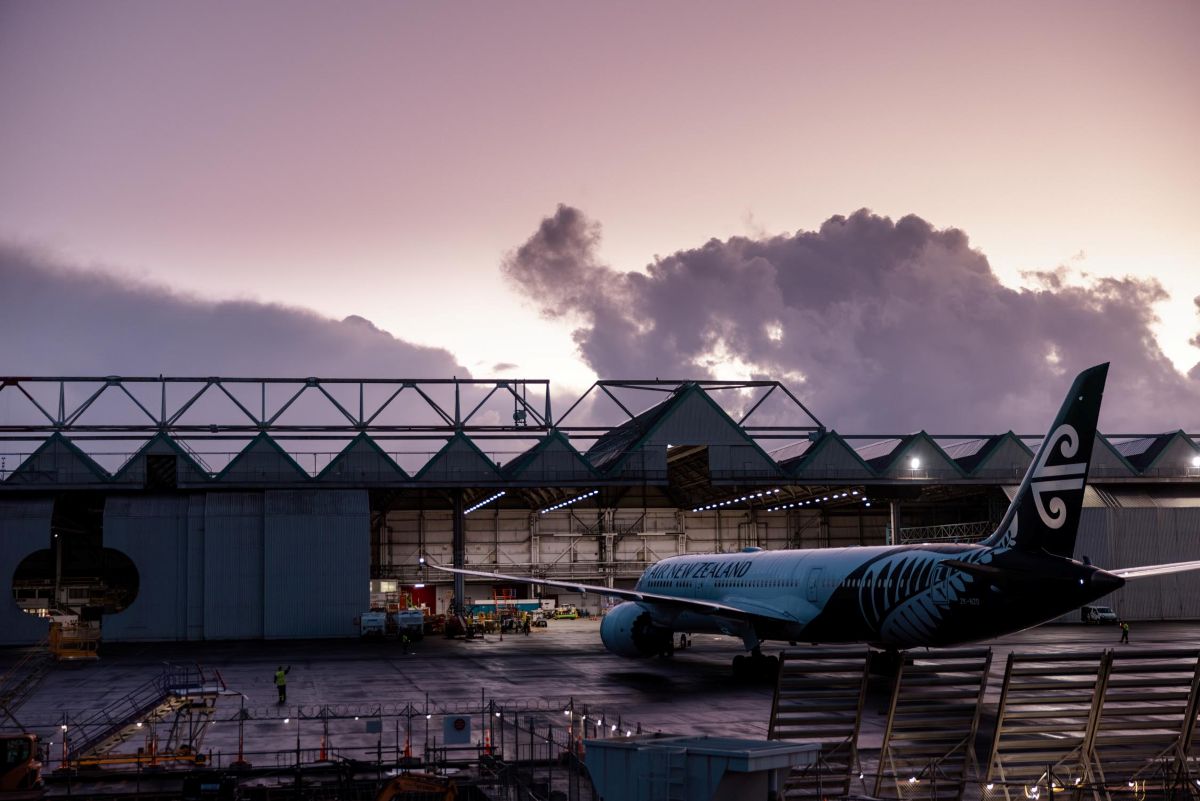
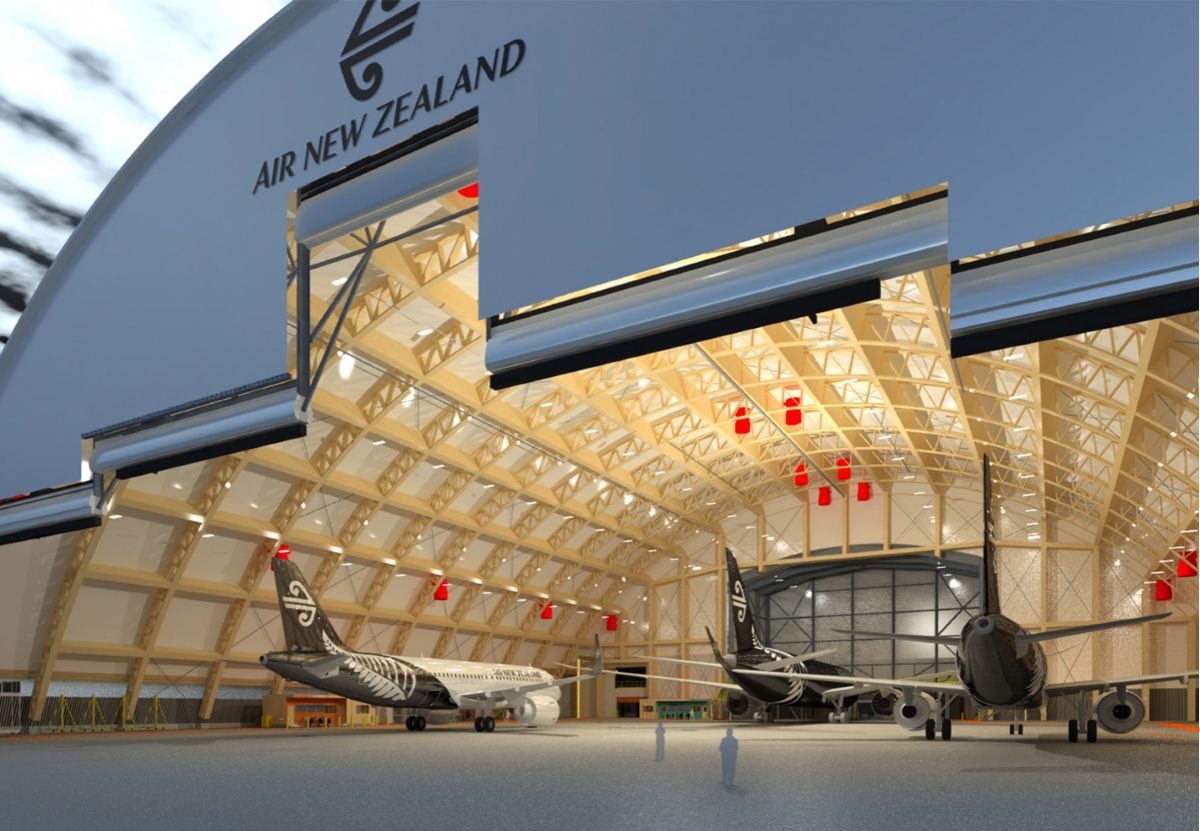
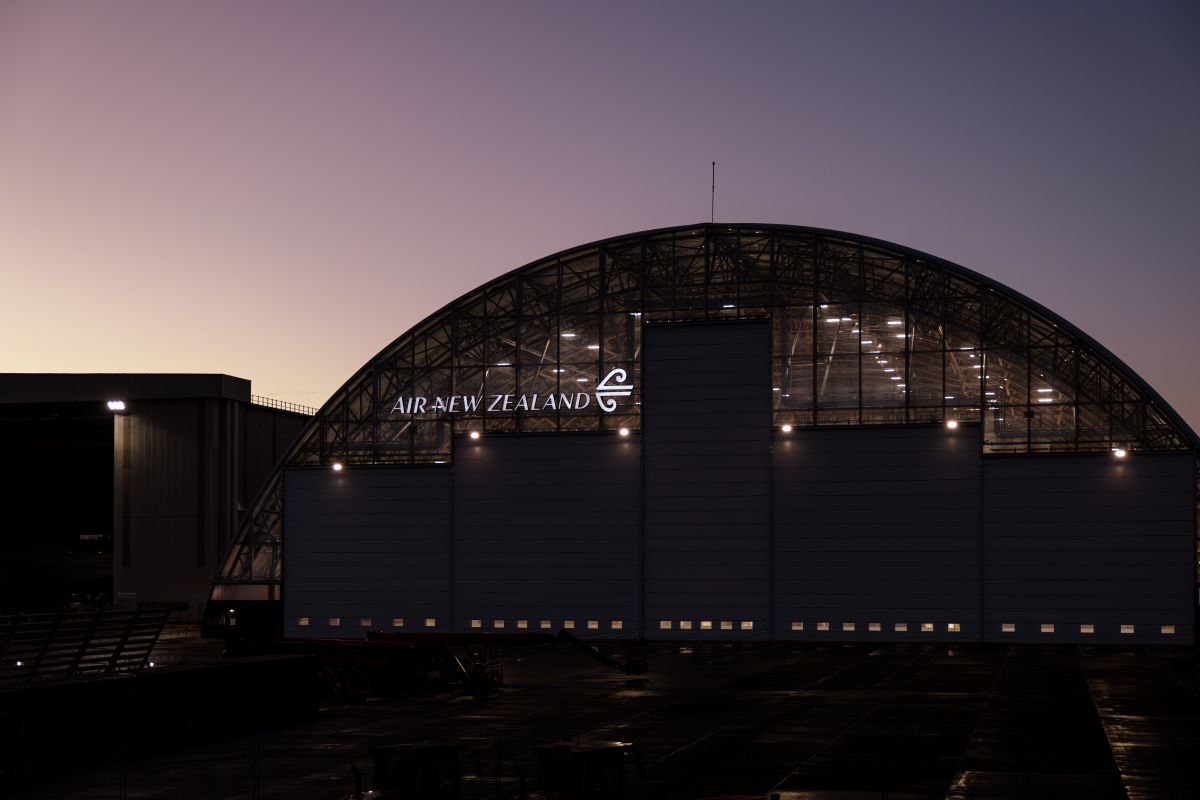
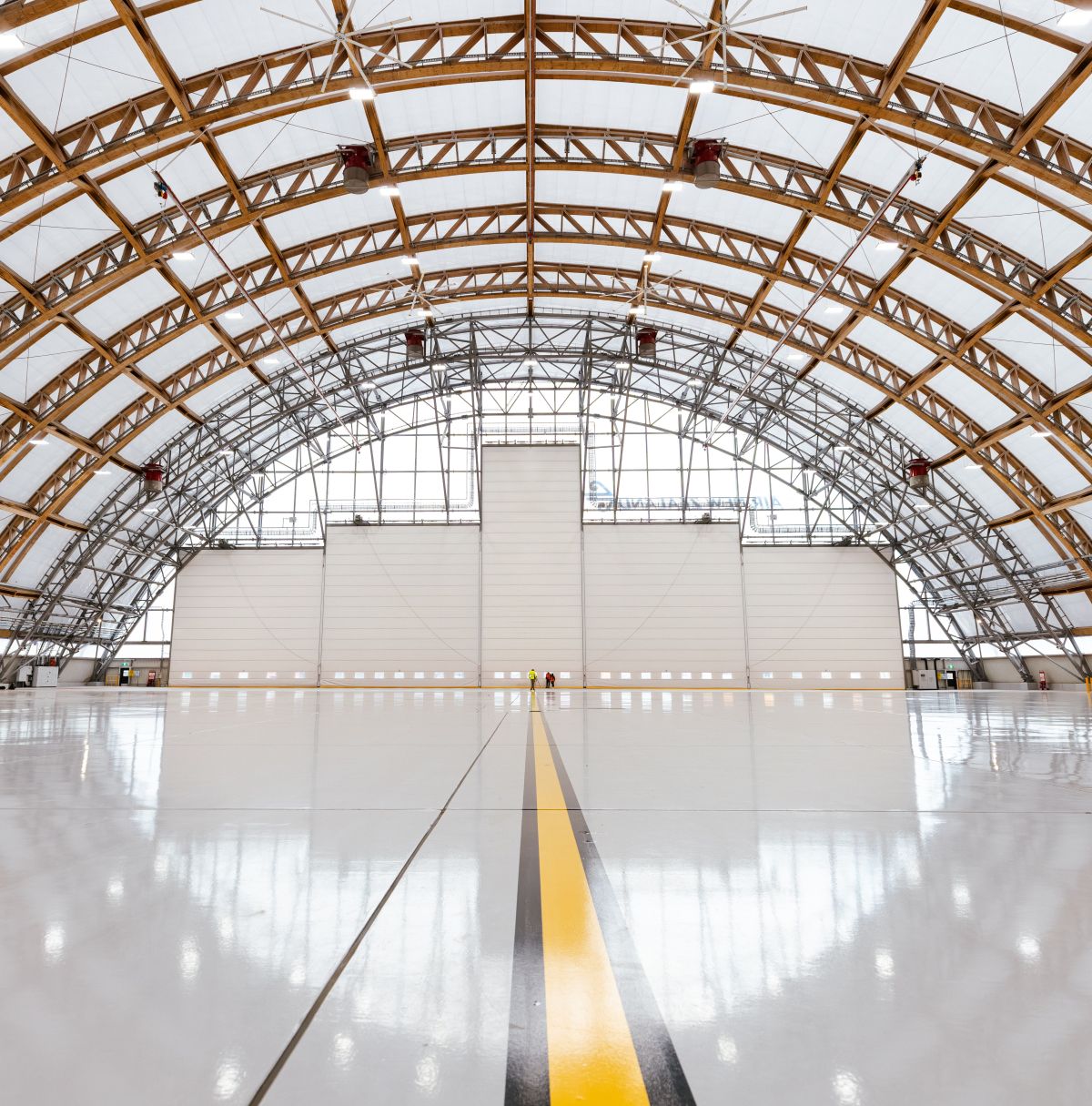
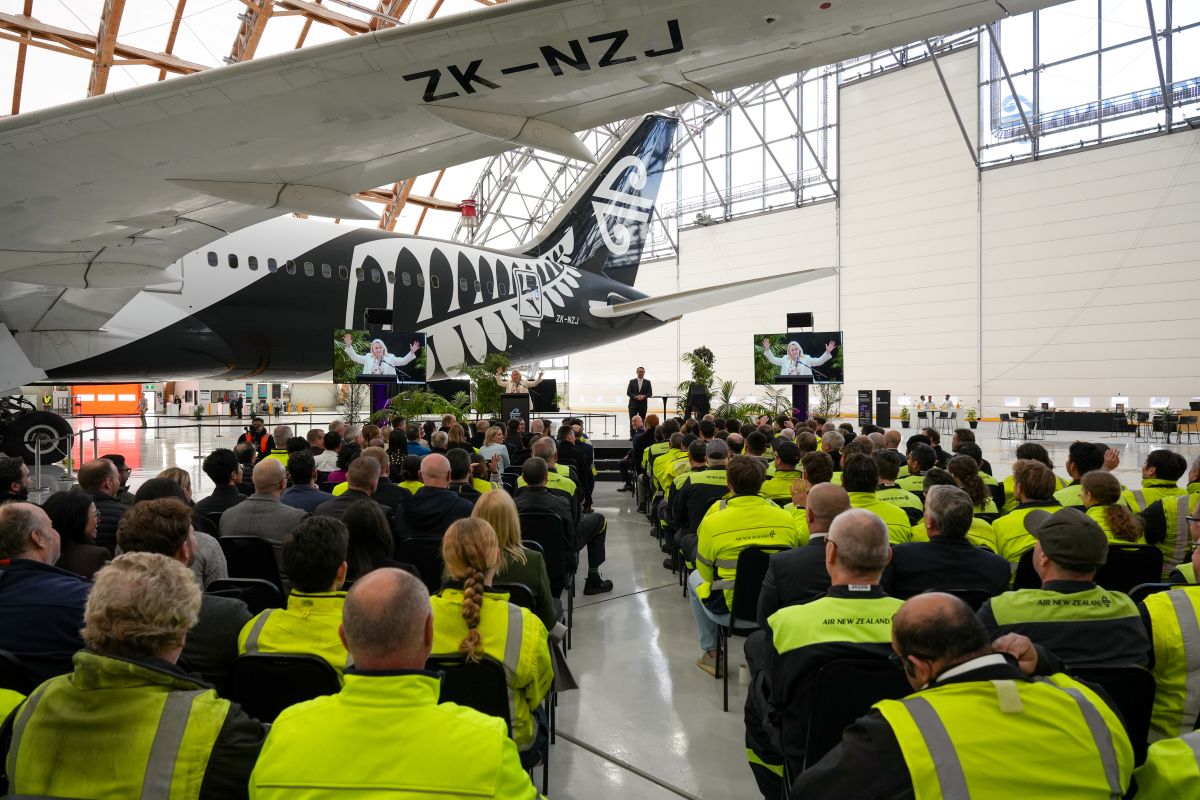
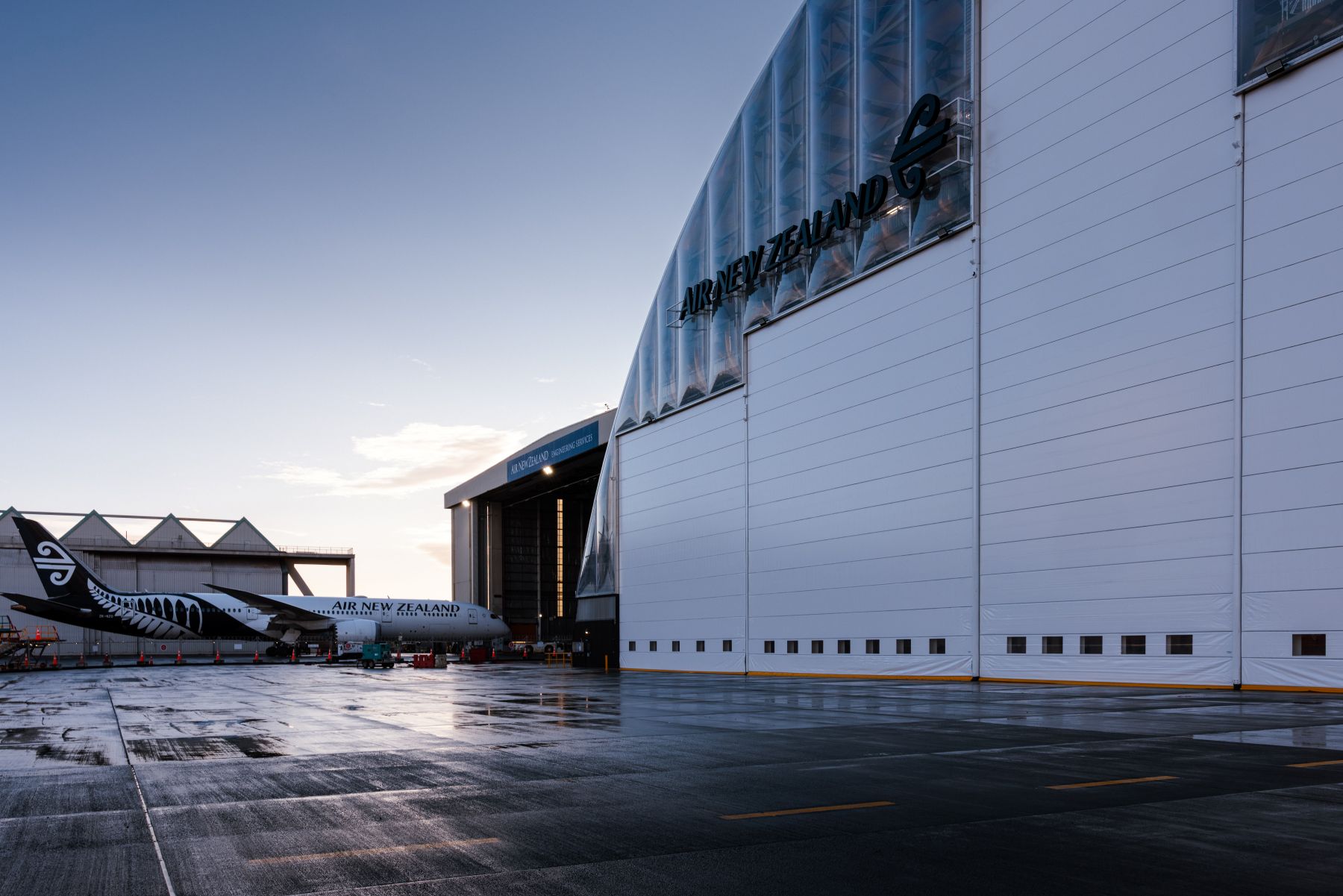
Air New Zealand’s Hangar 4 is a global milestone — the world’s first mass timber aircraft maintenance hangar and home to the largest free-spanning timber arch in the Southern Hemisphere. Spanning 100 metres in length with 97 metres of clearance and reaching 35.6 metres high, the facility showcases how XLAM’s precision-engineered CLT, logistical expertise, and Design for Manufacture and Assembly (DfMA) approach can redefine what’s achievable in aviation infrastructure.

About the project

Air New Zealand chose timber as the primary building material to demonstrate a commitment to sustainability while delivering a high-performance, large-scale facility. The project was delivered by a collaborative team of expert suppliers. XLAM joined the project with the architect already onboard, proposing an initial mass timber concept that would meet Air New Zealand’s operational and environmental ambitions. XLAM engaged Dunning Thornton to refine the structural design and collaborated with NZ Strong throughout the design development process to ensure a seamless build.

XLAM’s involvement spanned design, timber supply, logistics, and on-site coordination. All CLT panels and LVL beams — 780m³ and 580m³ respectively — were supplied by XLAM, including LVL sourced from Nelson Pine. To validate the ambitious arch geometry, XLAM built a full-scale prototype purlin section, allowing the team and client to visualise the structure’s shape, assembly, precision, and constructability.

The scale of the project met with challenges and required clever problem solving and precise just-in-time scheduling. The trusses, some of which included the project’s longest component were prefabricated in multiple sections to allow safe transport and assembly. The team 3D-scanned transport routes and coordinated with specialist trailers to move components across multiple sites, from Nelson to Picton to Wellington and finally Auckland, a journey of nearly 860km that required meticulous planning.

Outcome

Hangar 4 is a world-first in mass timber aviation infrastructure, showcasing how precision engineering and collaborative problem-solving can overcome the challenges of scale and complexity. XLAM’s solutions ensured that all 7,141 individual timber components could be prefabricated, transported, and installed safely and accurately. Each truss used 12,500 screws, totalling 250,000 across the project, reflecting the precision and quality control required for such a landmark structure. 

The DfMA approach, combined with close collaboration with Engineers, Dunning Thornton, allowed every connection, hinge, and purlin to fit perfectly on-site. Hinge connectors at the base of the trusses enabled them to twist and move during lifting, improving safety by preventing uncontrolled swinging in high winds. Even with pandemic delays and evolving design codes over the seven-year delivery, the project was completed on schedule and without liquidated damages, demonstrating the effectiveness of XLAM’s integrated design, manufacturing, and logistical solutions. 

Hangar 4 serves as a statement of intent: it proves that timber can deliver the performance and scale required for world-class aviation infrastructure. The timber structure also offers remarkable earthquake performance and sustainability credentials.  
Design and structure

The design of Hangar 4 is the result of meticulous planning and employed design for manufacturing and assembly (DfMA) philosophy to problem solve early, reduce delays and control outcomes. The structural requirements, manufacturing requirements, logistics and construction were considered from early stages.

The heart of Hangar 4 is the soaring arched truss system. Each truss combines LVL top and bottom chords with XLAM’s CLT webs. Given the immense size of each arching truss, they were designed as 5 preassembled pieces, which are assembled on site.

During the development of these huge trusses, XLAM overcame complex detailing challenges. The application of 700mm-long fixings and CNC-routed jigs offered perfect truss geometry. The XLAM manufactured jigs sculpted the top and bottom cords of each truss to create precise forms. CLT was deployed throughout each purlin structure for maximum strength and reduced weight. Custom connections were then developed for improved on-site assembly safety.

All 7,141 components were pre-assembled into the 5 sections that made up each truss and coated at XLAM’s Auckland facility with the Cutek CD-50 wood stabilising coating system to protect against moisture during construction, ensuring there was no impact to tolerances, durability and appearance.

The timber structure itself is highly resilient, designed to withstand seismic activity and the coastal environment, reducing ongoing maintenance that would be required of a steel structure.

The five pre-assembled sections that make up a single truss helped to overcome transport challenges. Specialist trailers used for the transport of wind turbines were employed to move longest components over 860km and across multiple ports. XLAM’s oversight of design, supply, logistics, and assembly ensured the massive structure could be safely lifted, connected, and aligned on site with precision.

Sustainability

Timber was chosen not only for performance, but for its environmental credentials. The lightweight structure allowed sections of the existing runway slab to be retained, reducing concrete usage and embodied carbon. Prefabrication and DfMA principles minimised material waste, reduced site time, and created a safer and cleaner working environment. 

The CLT and LVL sequester hundreds of tonnes of CO₂ — equivalent to removing 282 cars from the road for a year — with Australian plantation forests capable of regrowing the timber in just 130 minutes. Sustainability was embedded at every stage, and Hangar 4 has been designed to target a 6-Star Green Star rating, demonstrating that advanced mass timber construction can achieve world-leading environmental performance while delivering structural excellence. 

Original Image

Logistics and collaboration 

Transporting and assembling the 97m arch required careful planning and problem-solving. Trusses were manufactured and delivered in five sections for safe lifting and assembly. XLAM coordinated every stage, from LVL procurement through Nelson Pine to onsite sequencing of CLT trusses and purlins. Transport involved specialist trailers, pilot vehicles, and temporary route adjustments such as the removal of traffic lights and barriers 

Collaboration was essential throughout: engineers, architects, contractors, suppliers, and installation coordinators worked together to align design, logistics, and safety protocols. The use of hinge connectors at the truss bases and 3D-scanned transport routes exemplifies the technical ingenuity and teamwork that made this landmark project possible. Daniel from XLAM Auckland summarised: 

“This was a project where everyone’s expertise mattered. From the design engineers and suppliers to the installation crew and logistics teams — every step required trust, skill, and shared problem-solving.””

Daniel Jones, Construction Manager, XLAM

780m3

XLAM CLT

562 tonnes

CO2 sequestered

= 282 cars

taken off the road for a year

130 minutes

for Australian plantations to regrow the timber used in the CLT

Summary 

Air New Zealand’s Hangar 4 is a global benchmark for mass timber infrastructure. XLAM’s leadership across design, timber supply, and logistics, combined with close collaboration with all project partners, enabled a safe, efficient, and precise assembly of a world-first structure. The hangar demonstrates the performance, sustainability, and innovation that timber can deliver at an unprecedented scale, setting a new standard for collaborative, precision-led construction. 

1,000+ projects completed across sectors including

commercial.

industrial.

institutional.

residential.