Back to top arrow

Engineered strength


XLAM: a sustainable solution for efficient, versatile and greener builds.

Mass timber

Mass timber is the great disruptor of the global construction industry, challenging conventional construction by delivering more sustainable buildings in a fraction of the time taken by traditional concrete and steel-based construction methods. The prefabricated approach to mass timber production means buildings can be manufactured in a controlled factory environment and erected quickly. Mass timber can be used to construct the entire super structure or applied as single inclusions in conjunction with traditional building materials.

From seed to site

Loading…
0%

A 30 Year Journey

Pine trees in Australian plantations are farmed once they mature, which takes approx. 30 years of growth.

Absorbing CO2

As a tree grows it absorbs carbon from the air we breathe.

Rapidly Regrown

In Australian pine plantations, 70 million seedlings are planted each year.

PEFC Certified

XLAM is made from Australian grown, PEFC certified, responsibly farmed timber.

Carbon Captured

Half the dry weight of timber is carbon absorbed from our atmosphere.

Accurate Structural Grading

During milling, each board is strength tested with precision and selected for a purpose.

Cross Lamination

By running the grain in opposing directions, CLT achieves a strength greater than the sum of its parts.

Recipe for Success

Mass Timber is created by layering precisely graded structural members. The engineered recipe produces a dependable structure.

Green Construction

For every m3 of CLT delivered to site approximately 492kg of carbon is reduced from our atmosphere.

Speed of Construction

With no curing time required, XLAM delivers a 20% reduction in the overall construction time of the building’s super structure over traditional concrete and steel.

Components of a build

Cross laminated timber

What is CLT?

XLAM Cross Laminated Timber (CLT) is a multi-layer solid wood panel (known as a billet) made of plantation pine stacked crosswise and bonded together, creating a strong and versatile structural building material.

This cross-lamination technique enhances the structural rigidity and strength of panels. CLT offers exceptional load-bearing capabilities and seismic performance, as well as excellent fire resistance and thermal insulation.

CLT panels are manufactured with precision in our factories, allowing for the creation of large, prefabricated sections that are tailored to the specific dimensions and structural requirements of a project.

Glue laminated timber

What is GLT?

Glue Laminated Timber (GLT), or glulam, is an engineered wood product consisting of multiple layers of timber bonded together with moisture-resistant adhesives, forming a strong and flexible material suitable for structural beams and columns.

GLT is known for its superior strength-to-weight ratio, making it an ideal material for applications requiring robust support, such as beams and columns.

Off-the-shelf Range

What is XLT?

XLT is XLAM’s range of standardised, ready-made engineered wood products designed to make mass timber more accessible for residential and light commercial projects.

Manufactured from plantation-grown Radiata pine, XLT products are pressed and bonded to create strong, stable components that are simple to specify, handle and install.

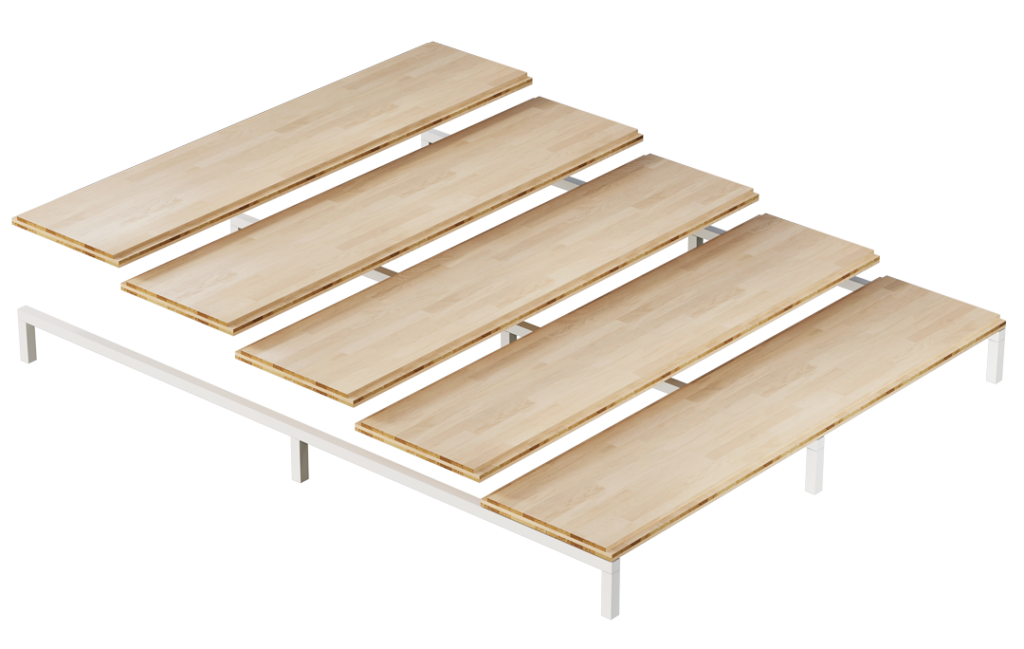
XLT offers timber-based alternatives for some common concrete or steel-based building materials including structural panels, beams, short wall bracing, portal structures, and flooring.

Because the products are standardised and engineered for everyday construction, they can be installed onsite without the need for specialist tools or trades. By combining the performance of engineered timber with the practicality of ready-made components, XLT makes it easier to apply mass timber to residential projects.

Building methodology

Mass timber vs hybrid

While there are many benefits in building the entire structure from mass timber, products such as CLT, GLT and XLT can also be combined with traditional materials to create efficient hybrid building systems. This approach allows design teams to leverage the strengths of each material, incorporating mass timber where it delivers the greatest benefits while reducing reliance on more carbon-intensive materials.

As mass timber is applied throughout a build and the reliance on concrete and steel is reduced, the building becomes lighter. This can result in smaller foundations, with reductions in substructure materials contributing to potential savings in cost and construction time.

As CLT components are prefabricated and require minimal onsite processing, construction can benefit from faster installation and reduced downtime. Furthermore, the greater the use of timber in a build, the greater the potential reduction in greenhouse gas emissions.